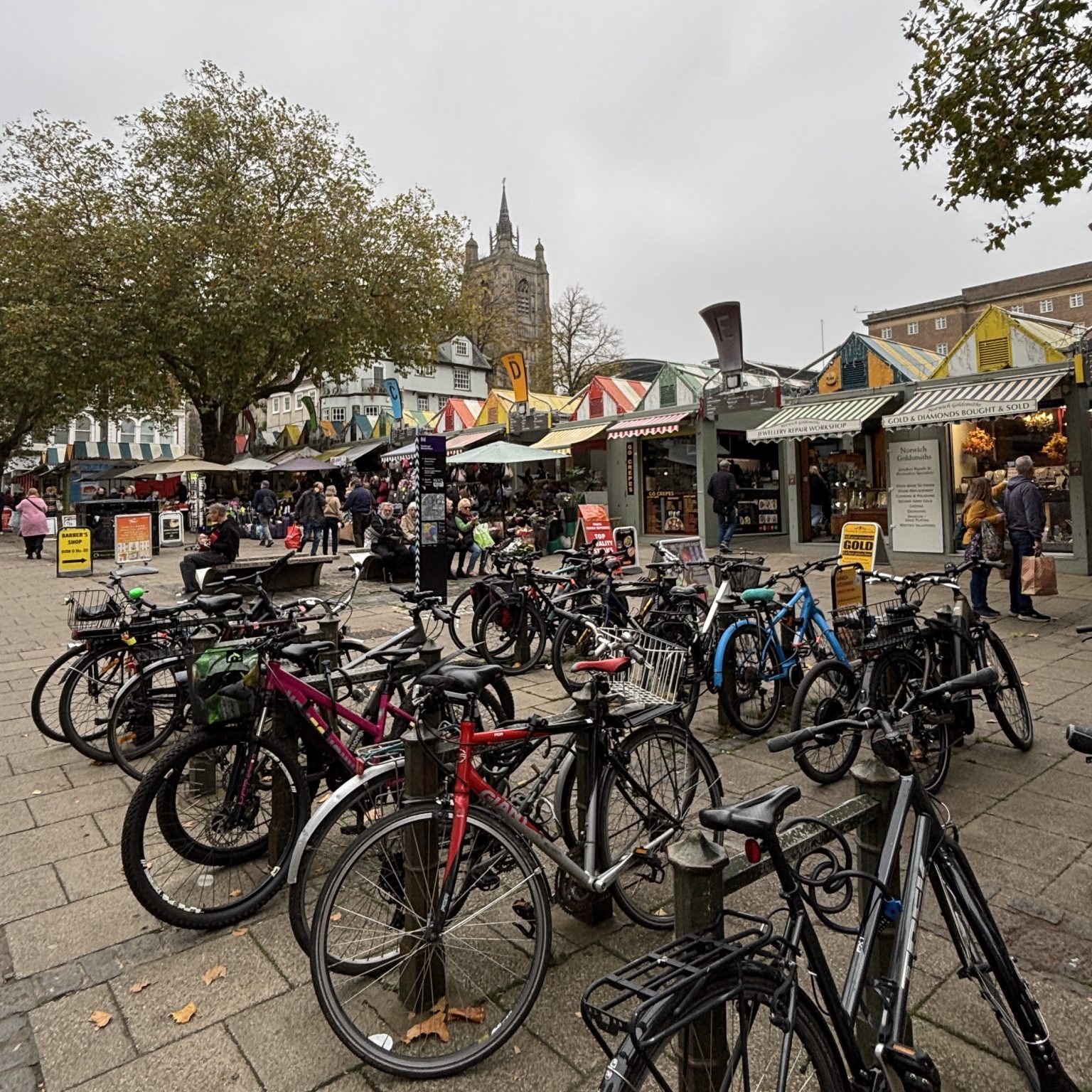
Have you ever wondered why people choose to travel the way they do?
For many people, the choice is determined by where they live and the transport options available. Yet many other factors can contribute to our travel and transport choices, including safety, affordability, and environmental reasons. And just because someone travels a certain way now, would they consider other options if changes were made?
This was the task of our Travel Behaviour Survey. As the Sub-national Transport Body, we need to understand current travel behaviours, including journey purposes, demographic segments, and the attitudes and challenges associated with changing modes of transport.
The insights gathered from the survey will be shared with the East's Local Transport Authorities to be used alongside already available evidence and insights, informing the development of strategies, policies, and planning both regionally and locally.
Reports and insight for the East and our Local Transport Authorities


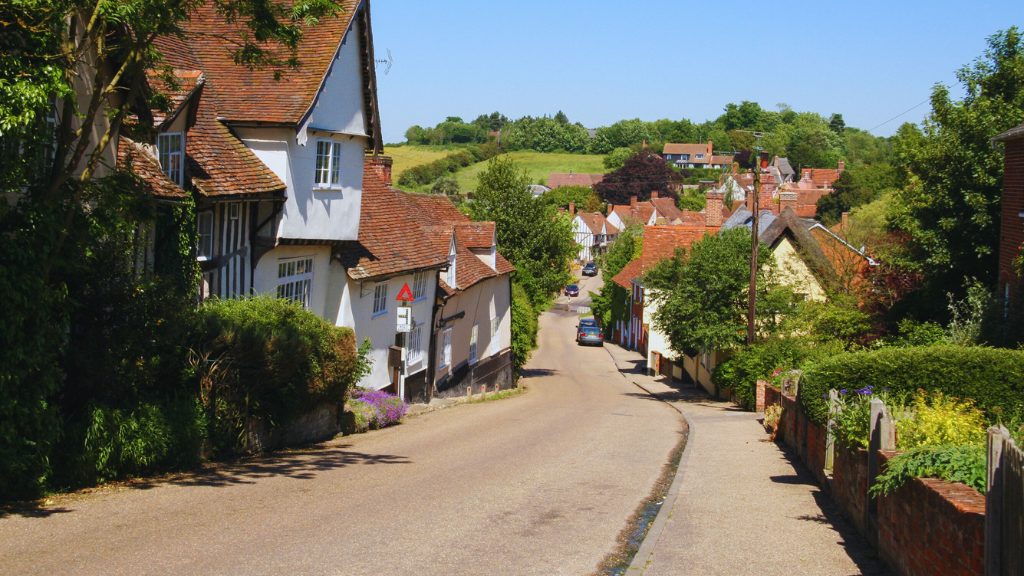
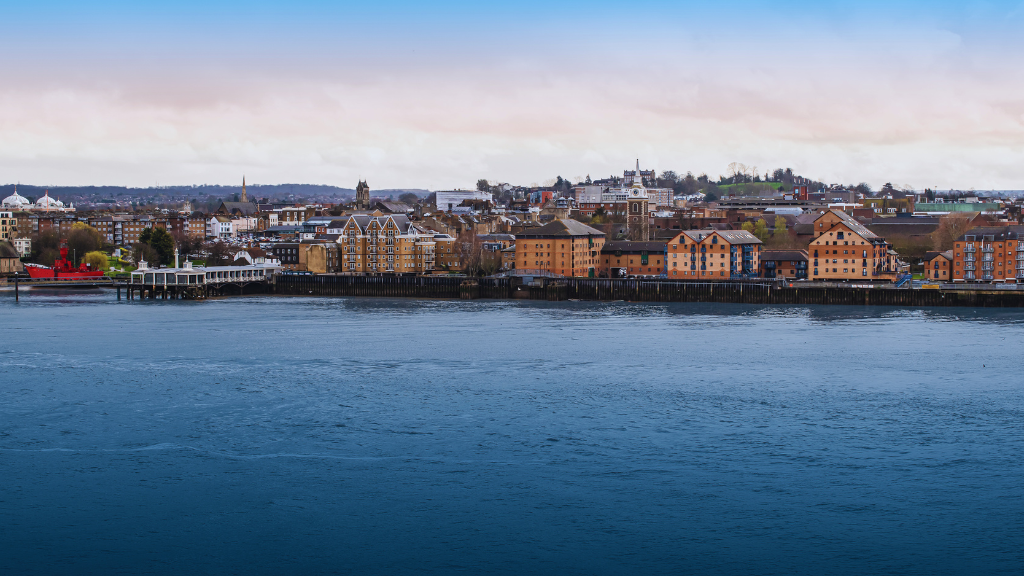
How and where was the survey conducted?
- A 25-minute online survey was conducted between 18 March and 17 April 2024.
- The survey captured 3,824 responses from across the Transport East region, including 105 from within a 20-mile radius.
- Demographics were not controlled for when recruiting respondents. This means the data in the report is weighted to reflect the relative sizes of age and gender groups from the Census for each district.
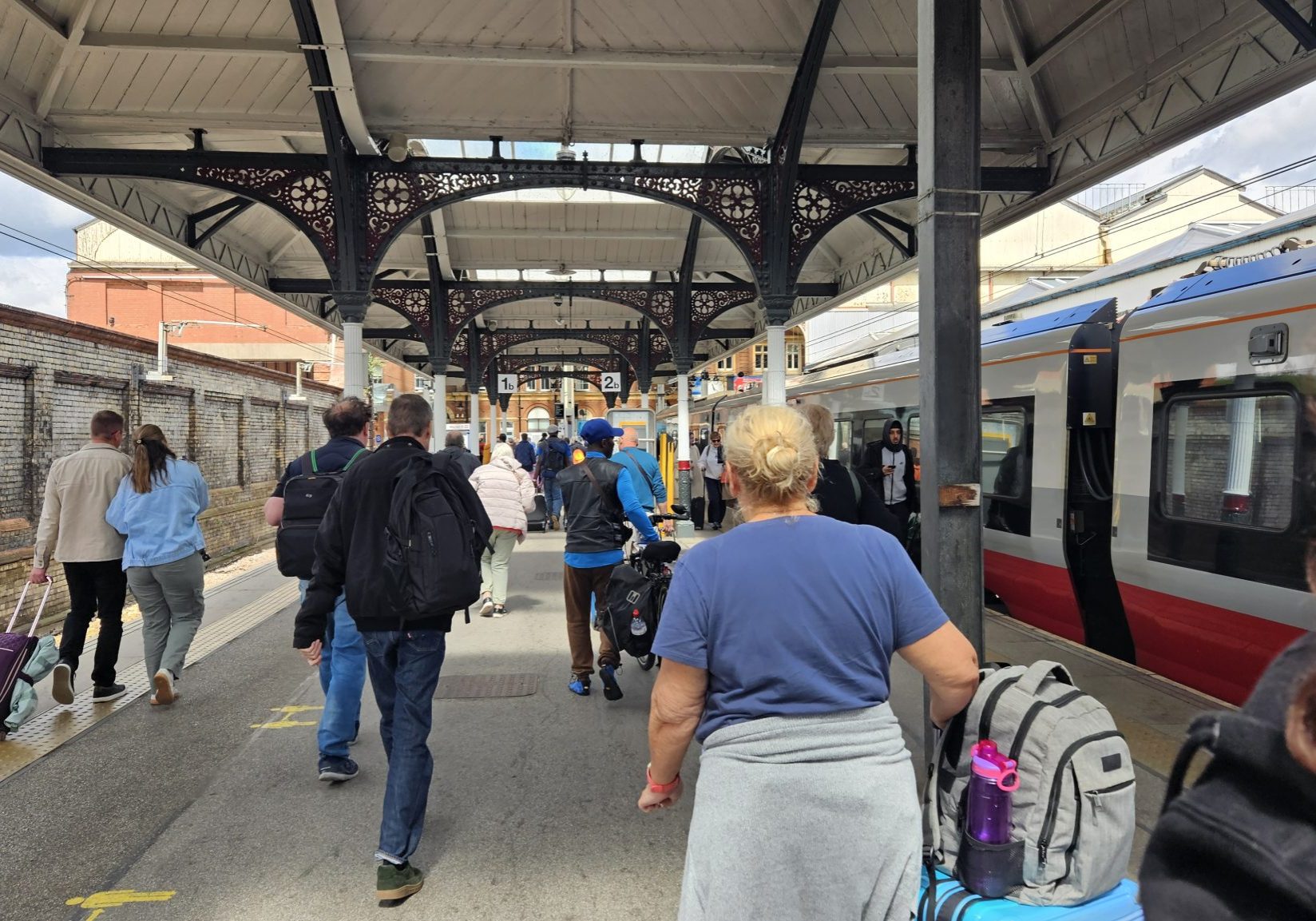
What did you survey tell us?
The survey has provided Transport East with a wealth of insights, including:
- Current travel behaviours and attitudes towards different modes of transport.
- Factors that may influence future travel behaviour and choices, including barriers to choice and reasons for a potential decline in the use of some modes. This includes travel behaviours in the last two days (at the time of completing the survey) and typical travel behaviours in a regular week.
- Factors that may influence the likelihood of future travel behavior and choices, the barriers to change, and perceptions on ways to encourage greater use of different transport modes.
Alongside a regional report, each of the five Local Transport Authorities will receive a report providing an overview of responses from people living or working within their authority’s boundary.
Common insight from across the region includes:
Walking and cars are the main modes of transport in the Transport East region and are expected to remain dominant in the near future.
Many respondents agreed that councils, government and large companies should do more to help the environment.
Common barriers to public modes of transport include irregular services and ticket pricing. Poor infrastructure can impact active travel.
Alongside actions to address barriers, responses suggest health benefits are an effective message to motivate behaviour change.
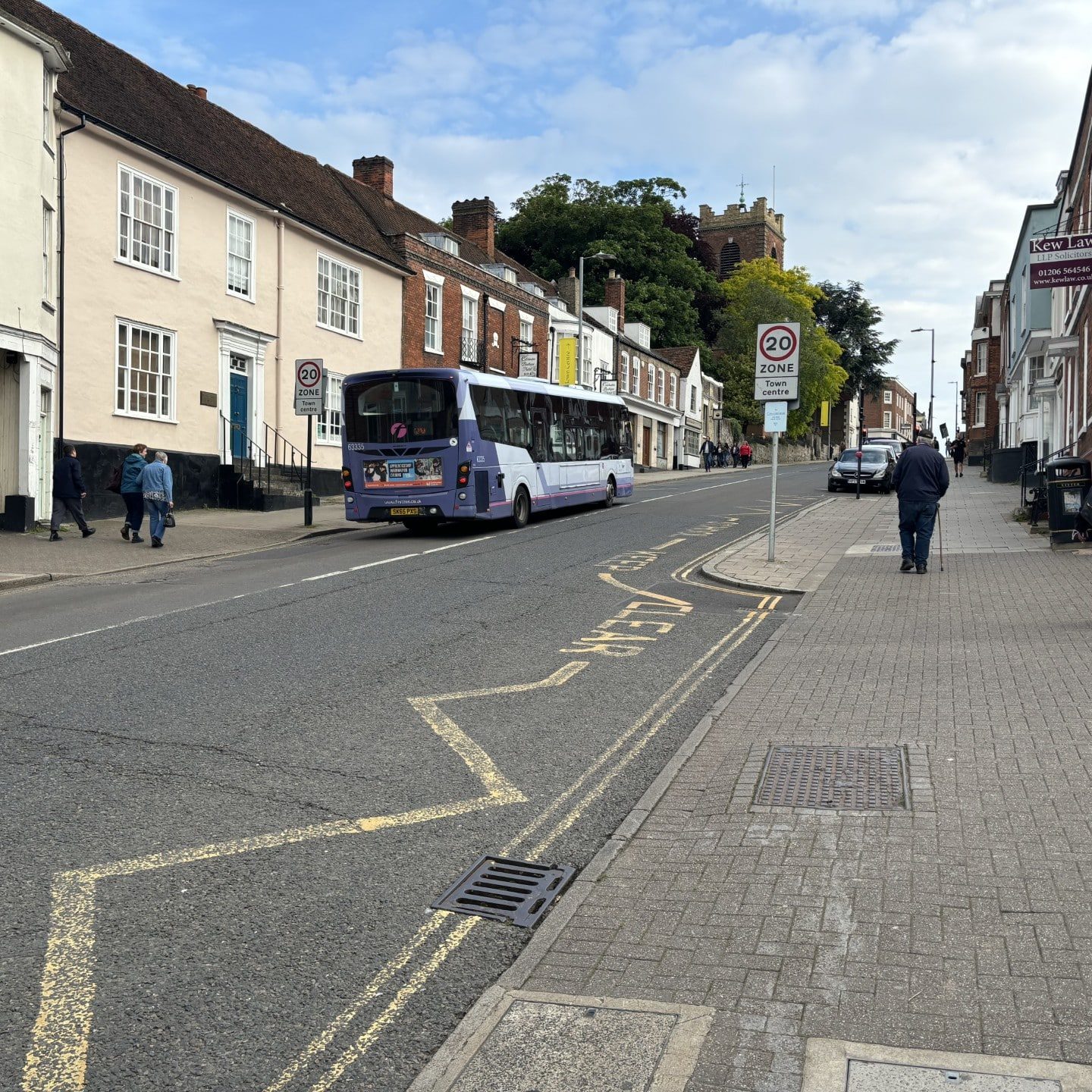
The report also provides common themes across modes of transport:
Public Transport
How do people perceive bus and rail provision across the region? The insights demonstrate how frequently people use these services and recommend solutions to increase patronage, supporting decarbonisation and better connectivity between cities, towns, and rural communities.
Driving, Electric Vehicles and Roads
The sparse geography of the East means that private transport is a popular and frequently used mode of travel. Insights from the survey outline the number of people who frequently use private transport to access services and provide an overview of people’s views on electric vehicles and the condition of roads across the East.
Active Travel
Results from the survey show that walking is the most popular way to make a journey. However, concerns remain around safety and the availability of infrastructure. The survey also indicates that more people would take up cycling if the number of segregated cycling lanes increased, and wider walkways could encourage more walking and wheeling journeys.
Looking ahead, how will this insight be used?
The results from the Travel Behaviour Survey provide Transport East with valuable insights into how people across the region travel and what influences their choices. These findings offer a detailed understanding of current travel behaviours, preferences, and the barriers that prevent people from adopting more sustainable modes of transport.
By analysing this data, Transport East can ensure that future transport strategies and policies are tailored to meet the needs of the region’s diverse communities, whether they live in urban centres, market towns, or rural areas.
This evidence has been shared with Local Transport Authorities across the East to inform decision-making at both regional and local levels. It will play a critical role in shaping initiatives that promote sustainable travel, improve accessibility, and support decarbonisation goals.
By addressing challenges such as safety concerns, infrastructure gaps, and connectivity, the survey results will help Local Transport Authorities create a more inclusive and efficient transport network that benefits all users, from pedestrians and cyclists to public transport users and people driving.