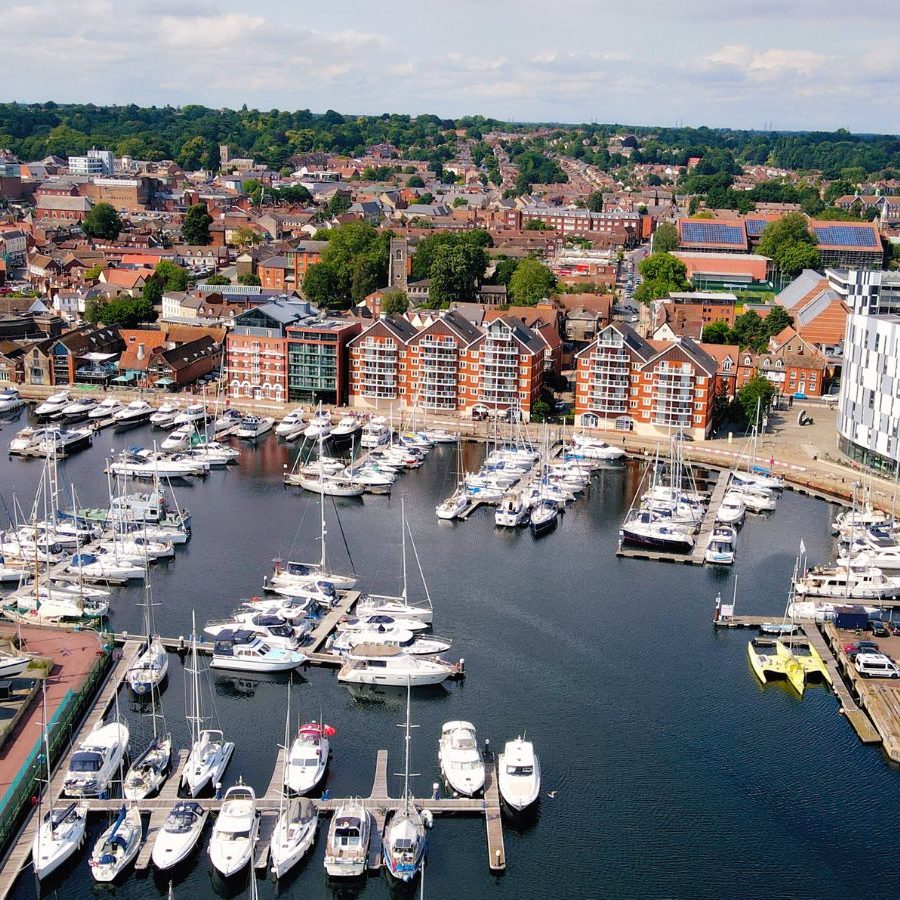
Famed for its rolling farmland and historic market towns, Suffolk is a large and highly rural county, with a population of nearly 800,000 and a diverse, growing economy.
The county plays a vital role in supporting the nation's prosperity. The Port of Felixstowe, the UK’s busiest container port, serves as a crucial gateway for the movement of goods in and out of the country. Suffolk is also at the forefront of clean energy with its offshore wind farms and the development of the Sizewell C nuclear power project.
These are some of the reasons why understanding how people living and working in Suffolk make their journeys is so important. These insights are essential for supporting the county’s future economic growth, achieving net zero ambitions, and enhancing the quality of life for Suffolk residents.
We surveyed people from across the East, asking about they travel behaviour, choices and reasons for travelling. Insights for Suffolk from the survey have been compiled into a comprehensive report, available below.
How and where was the survey conducted?
- A 25-minute online survey was conducted between 18 March - 17 April 2024.
- In Suffolk, 766 responses were collected from across the county's districts.
- Demographics were not controlled for when recruiting respondents. This means the data in the report is weighted to reflect the relative proportions of age and gender from the Census for each district.
What did the survey tell us?
Car and walking are the most used modes of transport across all journey purposes.
Only 10% of respondents said they choose cycling for their journey, yet 43% own a bike.
9% of respondents use rail, and 68% are satisfied with local services.
13% of respondents use the bus, making it the most popular type of public transport.
Active Travel: Walking, Wheeling and Cycling
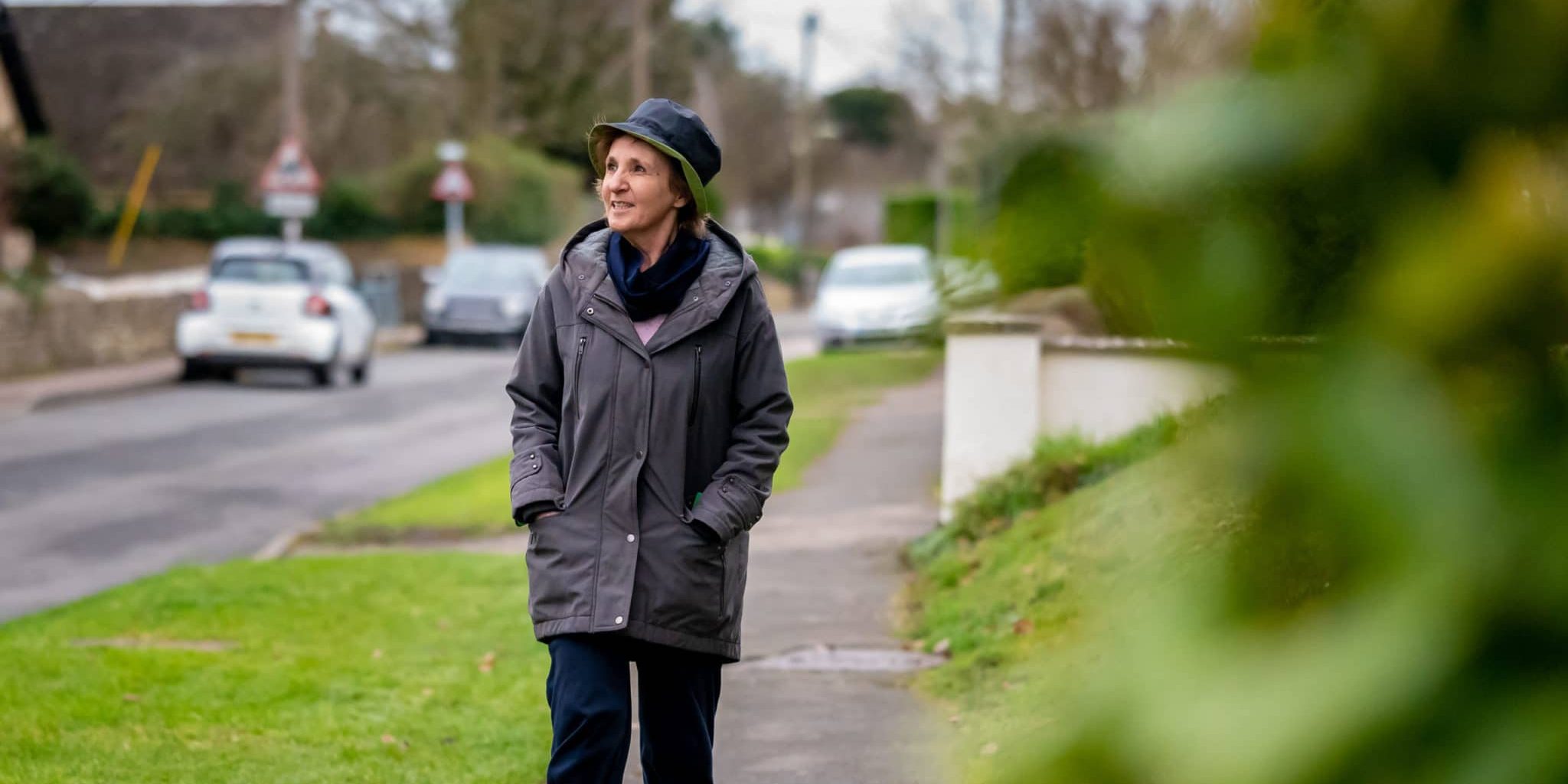
- Most journeys are made by walking, and results from the survey suggest this will remain the case in the 12 months following the survey.
- For those who don't regularly walk, 37% of respondents said that journey time is a major barrier. The weather is also a deterrent, while pavement lighting is a concern for just over 20%.
- Additionally, 66% of respondents perceive walking as important for making more sustainable travel choices, and the same percentage support further investment in infrastructure to make walking easier.
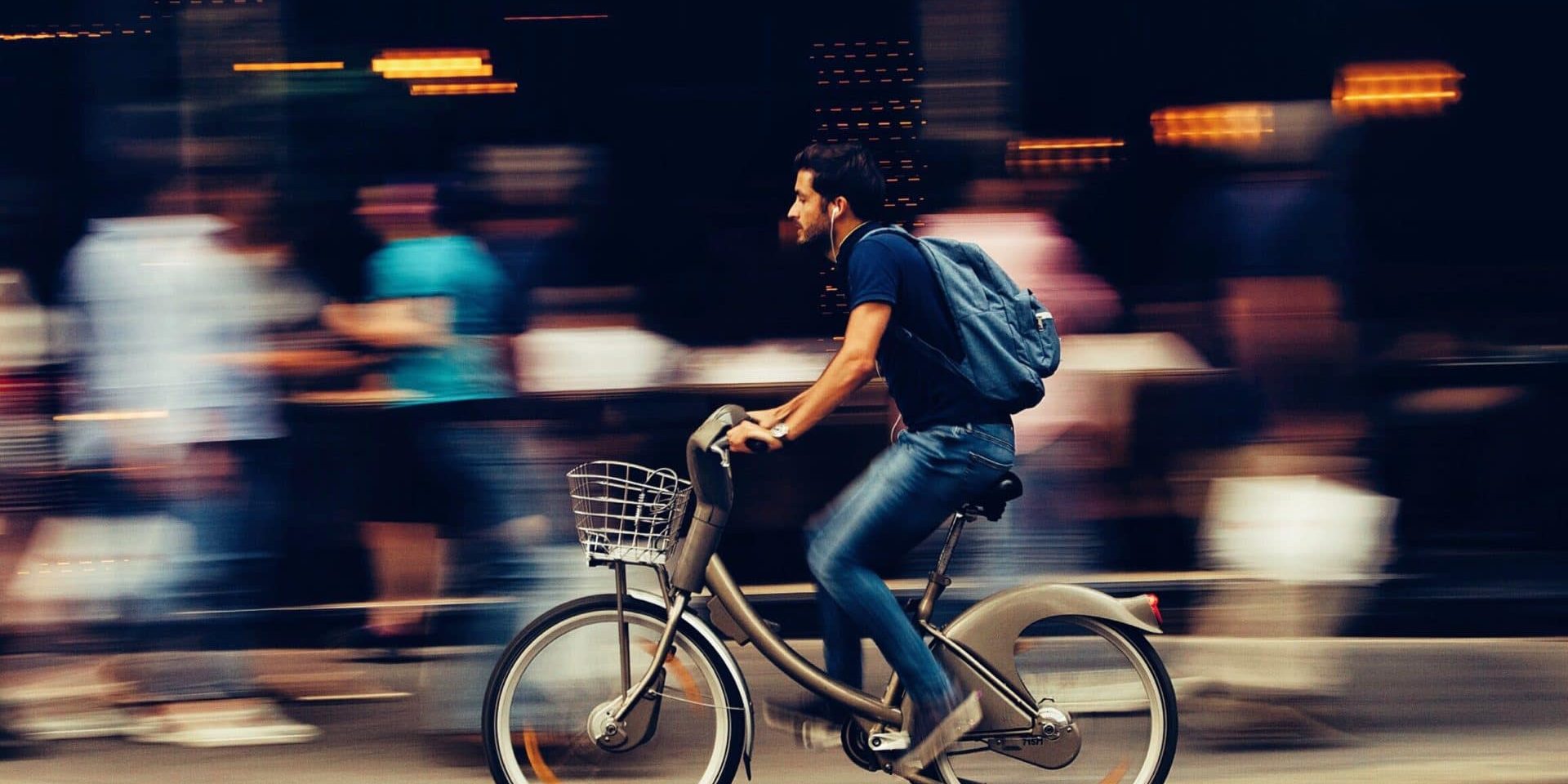
- Despite 43% of respondents owning a bicycle, only 10% report using it as a mode of transport in a typical week.
- The key barrier and concern for respondents is road safety. Concerns about road traffic were the top barrier, cited by 48%. Weather was the second most common reason for not choosing cycling.
- Looking ahead, 25% of respondents want to cycle more in the future, but segregated cycle lanes and proper lighting are important to achieving this.
Driving, Roads and Electric Vehicle uptake
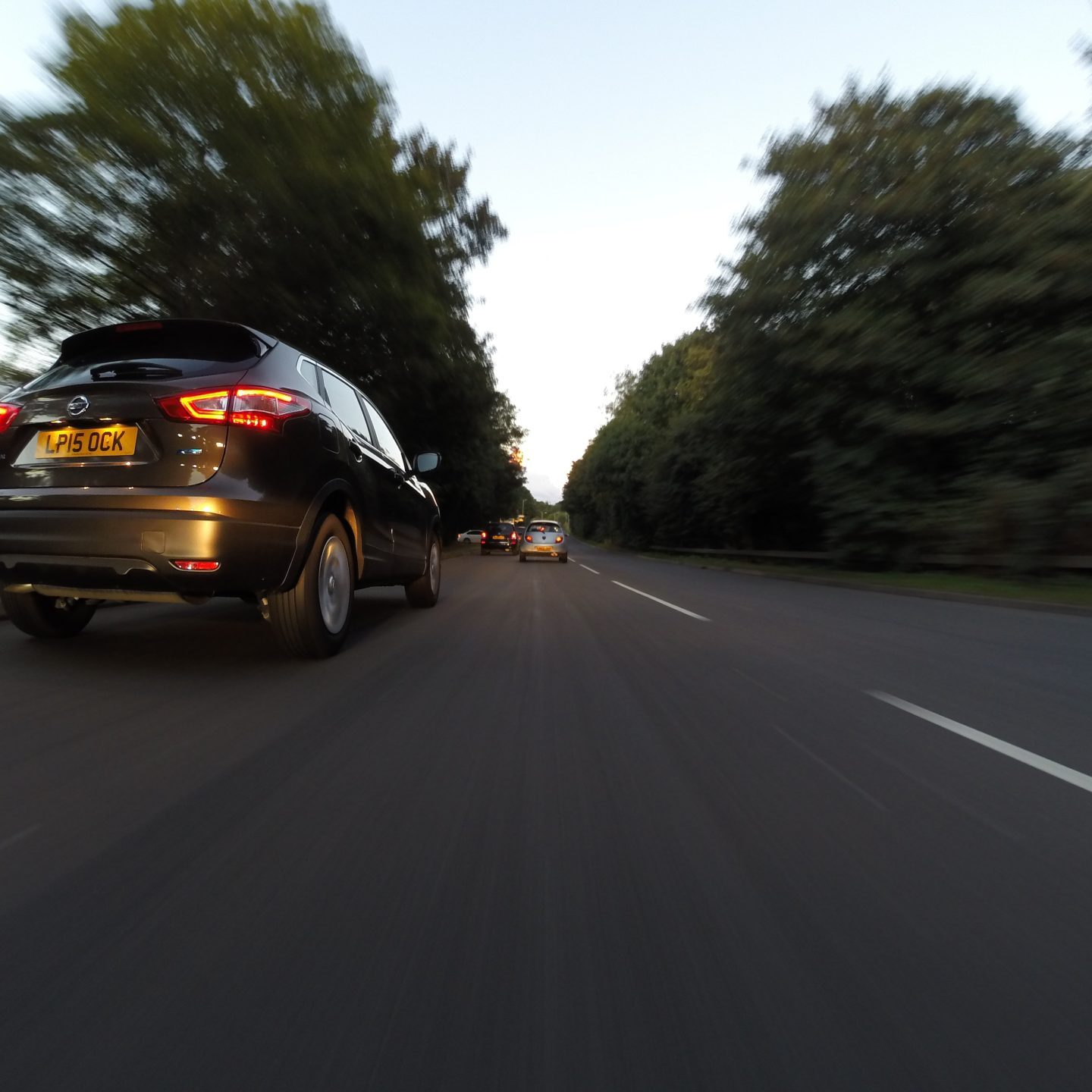
- The car is likely to be the second most used mode of transport in the 12 months following the survey.
- Two key reasons for this are flexibility (64%) and convenience (63%).
- Parents often use the car when taking their children to school, as time constraints or distance restrict alternative travel options. It is also the primary mode of transport for getting to the airport when going on holiday.
- Only 15% of car users reported being satisfied with the condition of roads.
- Currently, 8% of car users own an EV or plug-in hybrid.
- Additionally, 44% of respondents indicated they intend to purchase or lease an EV in the next five years. However, 59% of those surveyed said the costs associated with purchasing an EV are the biggest barrier.
Public Transport: Bus and Rail
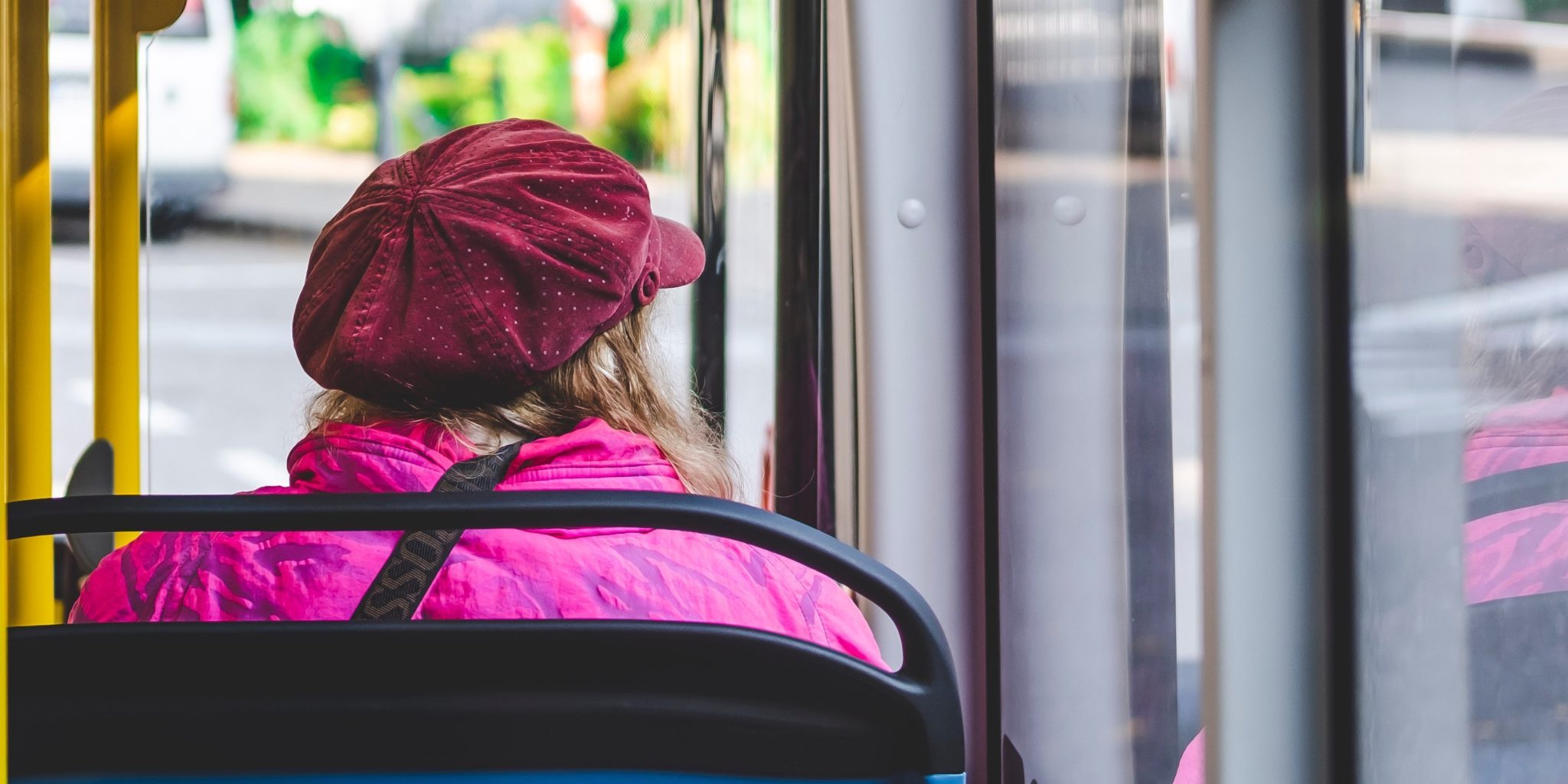
- The bus is the most used mode of public transport, with 13% of respondents using it, primarily for commuting to work.
- A key limitation for not choosing buses is the infrequency of services for 63% of respondents
- Not having direct routes/inconvenience (60%) and time constraints (46%) are notable barriers too.
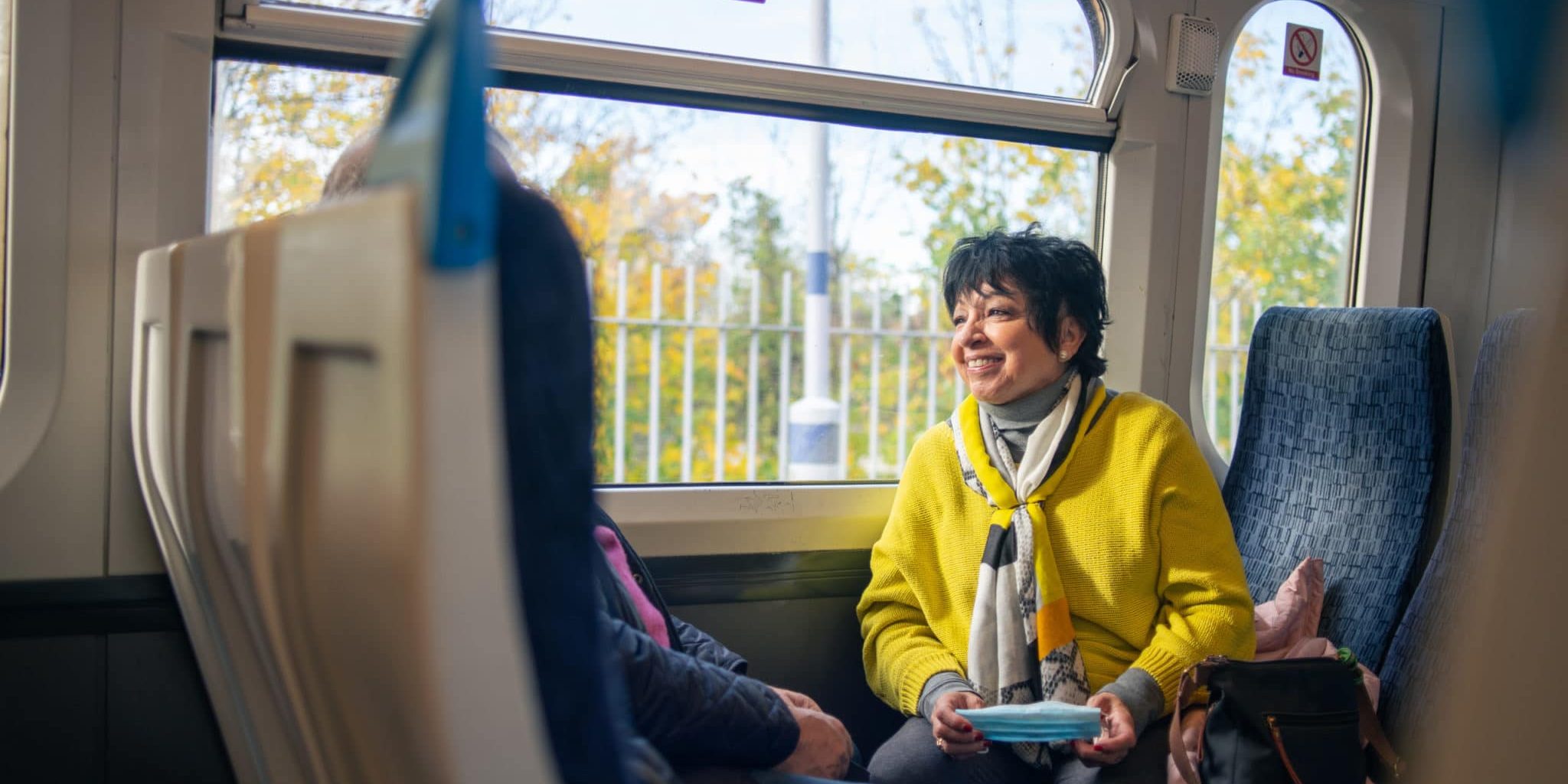
- 9% of Suffolk respondents regularly use the train, but responses suggest this could significantly increase in the future.
- 68% of respondents are satisfied with local rail services in Suffolk.
- However, 35% of all respondents are dissatisfied with the cost of using the rail, which creates a barrier to choosing this mode of transport.
Additional Information
How travel and transport impacts current work and shopping behaviours
64% of Suffolk respondents are currently working during a typical week - one of the key reasons people make journeys. Of this group, only 7% work from home all the time, while the rest travel to their workplace all or some of the time. The average commute currently takes 31 minutes, with 80% of respondents starting and finishing their journey within Suffolk.
There is a strong preference for home deliveries, with 86% using them regularly or occasionally.
Views on travel and climate change
68% of respondents believe that, in general, it is important to travel sustainably. However, only 31% consider themselves to be currently using sustainable transport options. This suggests that while respondents view sustainable travel as important, many are not actively adopting it.
Respondents expressed interest in schemes that could encourage sustainable travel, including quieter neighbourhoods with reduced traffic, clean air zones, and improved active travel infrastructure.
Views on funding priorities
Respondents listed the top four funding priorities as:
- Improving road conditions
- Increasing the number of public transport services
- Subsidising ticket fees for local buses
- Upgrading footways
In a scenario where road charging is introduced to address funding gaps, respondents agreed it should be based on vehicle emissions or the size and weight of the vehicle - both considered fair ways to address these gaps.