Documents
Shared Transport in the East: Report
Shared Transport in the East Report: Executive Summary
Shared Transport in the East: Webinar
External Resources
CoMoUK: the national charity for shared transport
Edge eCo Car Club: Creating a Replicable Model for Community-Led EV Car Sharing and Rural Transport Solutions.
What is shared transport? It is a term used to cover services such as car clubs, lift sharing, bike share and demand responsive services.
Transport East is working to better understand how shared transport can support sustainable travel across the region. The region's transport needs are diverse and significant - spanning urban centres, market towns and rural communities - and shared mobility offers real potential to reduce car dependency and improve connectivity between communities in a sustainable way.
Supported by CoMoUK (Collaborative Mobility UK), this study provides a clear evidence base to inform future transport planning, helping to expand sustainable travel choices, reduce single-occupancy car use and support local communities across the East.
Why we did the study
Private car use remains dominant across the Transport East region, particularly in rural and coastal areas where public transport options are often infrequent or missing. Shared mobility has the potential to fill critical gaps in the network.
This study was commissioned to:
- Identify where shared transport services currently exist and where gaps remain
- Understand the demographic and geographic conditions that support different shared transport modes
- Explore how local authorities and employers can encourage and enable shared transport
- Provide evidence to inform future investment, policy decisions and procurement
It also responds to wider trends, including rising interest in car-free lifestyles, the growth of hybrid working, and the need for more sustainable and inclusive travel options across the region.

How did we achieve this

The study combined robust data analysis with targeted engagement to build a comprehensive picture of shared transport across the region.
We analysed demographic data from the 2021 Census, alongside operator data and local authority sources, to map existing shared transport provision and model future demand. This included analysis of population density, car ownership, commuting patterns and cycling rates across the region.
We also contacted accredited operators across all shared transport modes - including car clubs, lift sharing platforms, shared micromobility providers and digital demand responsive transport (DDRT) technology companies - to understand their appetite for expanding services in the region and the conditions needed for schemes to succeed.
Finally, CoMoUK's extensive national research and annual reports helped us to contextualise findings from the Transport East region within the broader UK shared transport landscape. This combined approach ensured findings reflect both data-driven insights and real-world operator experience.
Outcomes
The study provides a detailed assessment of four shared transport modes - car clubs, lift sharing, shared micromobility and digital demand responsive transport - and identifies where each has the greatest potential across the region.
Car clubs
There are currently 69 car club vehicles across the region, the majority concentrated in Norwich.
Significant growth potential exists in urban areas including Southend-on-Sea, Ipswich, Colchester and Chelmsford, as well as smaller market towns.
Lift sharing
Around 10% of commuters across the region already share a lift to work.
There are an estimated 2.7 million empty car seats on commuter trips across the region every day. Digital platforms can help unlock this potential at scale.
Shared micromobility
Three bike share and two e-scooter schemes operate in the region. This analysis looks at cycling density points of viable locations for new on-street schemes in the East’s urban areas.
Past schemes in some areas have struggled due to high theft and vandalism rates, underlining the importance of community engagement and appropriate funding models.
Digital Demand Responsive Transport (DDRT) and Community Transport
A range of DDRT and Community Transport schemes already operate across the region, many serving rural areas with limited fixed-route bus provision.
These services play a vital role for those without access to a car, and can help connect communities to rail stations and onward public transport connections.
Next steps
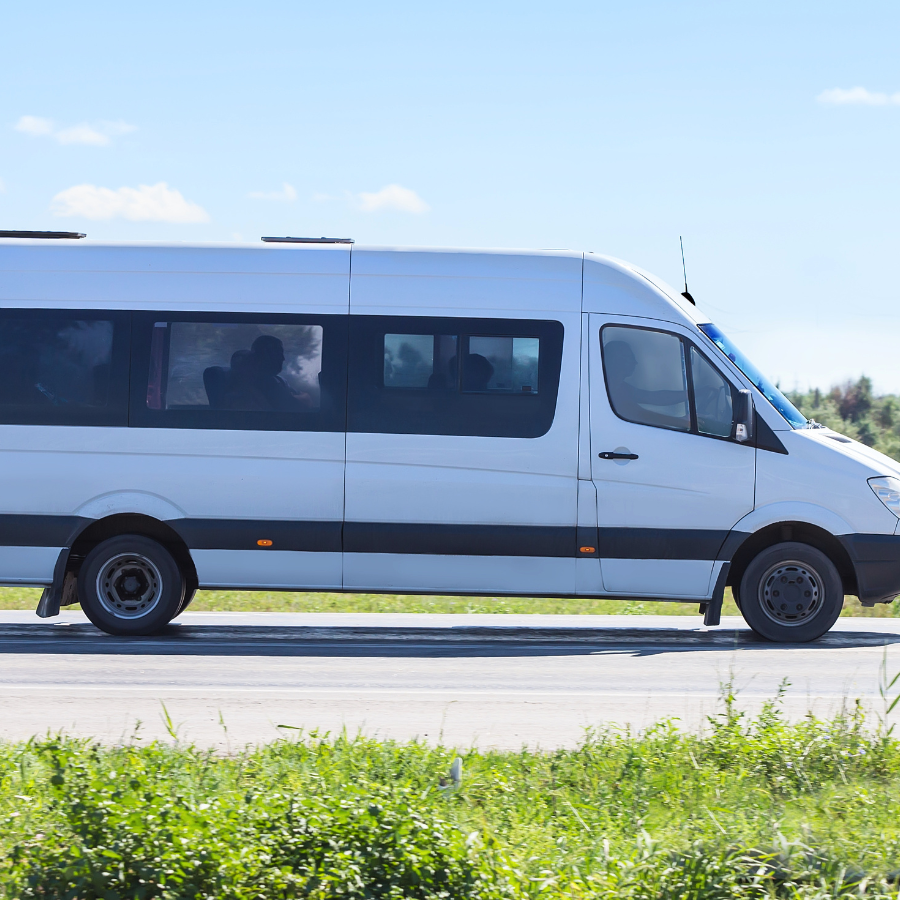
The study provides recommendations for expanding shared transport across the Transport East region. The next phase will focus on translating this evidence into practical action, addressing key challenges across all modes. This includes the urban skew of provision that leaves rural communities underserved, the reliance on public funding or employer support to ensure viability outside high-demand areas, and persistent barriers to uptake such as limited awareness and trust in shared transport services.
Key priorities include:
- Working with local authorities to identify specific opportunities for new car club, shared micromobility and DDRT schemes in the locations highlighted by the study
- Supporting councils to engage with accredited operators and develop appropriate procurement approaches
- Encouraging local authorities and large employers to promote lift sharing and integrate shared transport into workplace travel plans
- Exploring how shared transport can be integrated with public transport at key mobility hubs across the region
- Strengthening the evidence base on DDRT and community transport provision to identify gaps in existing service coverage
Examples in practice
Webinar
Sharon Payne, Regional Rural Mobility Manager, is joined by Patrick Utz from ComoUK to provide a summary of Transport East's Shared Transport study.
Find out more: ComoUK: Shared Mobility, Modes, benefits and opportunities - Patrick Utz
Edge eCo Car Club
Launched the The ‘Car Club in a Box’ model, which works with local authorities and rural communities to understand their needs and create business plans for other sharing services.
The concept has a network of volunteers at its core and features a bespoke automated booking system. Advice is offered on purchasing vehicles, installing charging posts and securing affordable insurance. Insurance for car club schemes has presented a unique challenge with "driver risk is difficult to measure."
Find out more: Edge: All about Edge Innovation - Susan Ross
Micromobility in Norwich
A successful partnership approach with Beryl has led to micromobility becoming an increasingly popular way of traveling in one of the East's largest cities.
This presentation demonstrates the steps taken to achieve this, some of the challenges faced, and how shared mobility works well with other modes of transport.
Find out more: Norfolk County Council: Shared Transport in Norfolk - Helen Marshall
Documents
Shared Transport in the East: Report
Shared Transport in the East Report: Executive Summary
Shared Transport in the East: Webinar
External Resources
CoMoUK: the national charity for shared transport
Edge eCo Car Club: Creating a Replicable Model for Community-Led EV Car Sharing and Rural Transport Solutions.